
Orange Fleshed Sweet Potatoes (OFSP) Project in Turkana and Samburu Counties
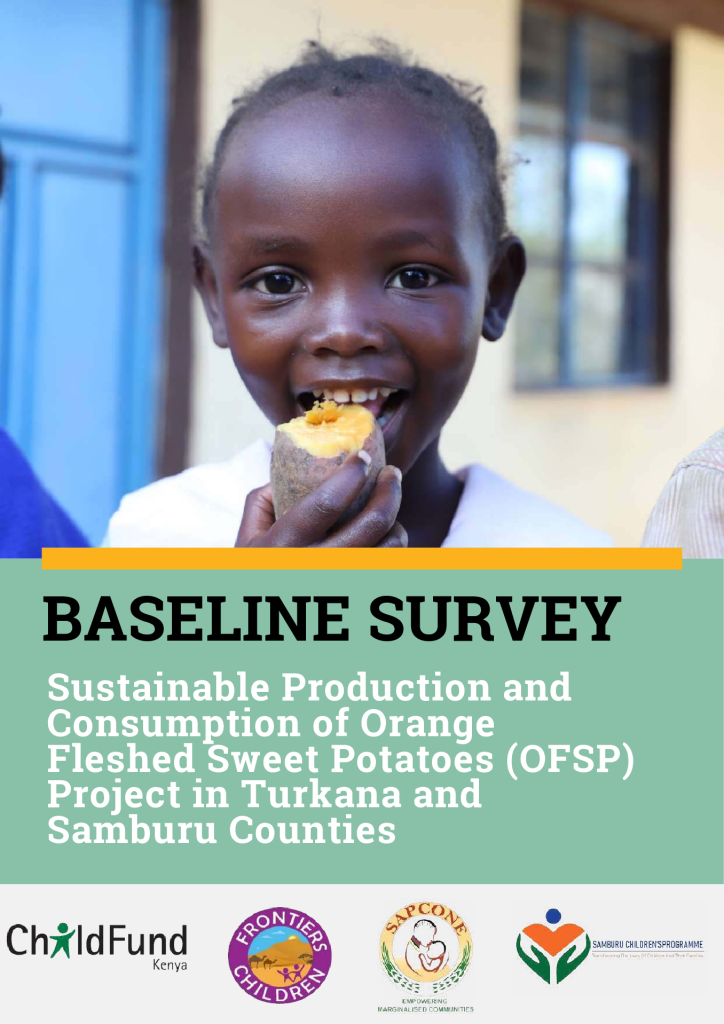
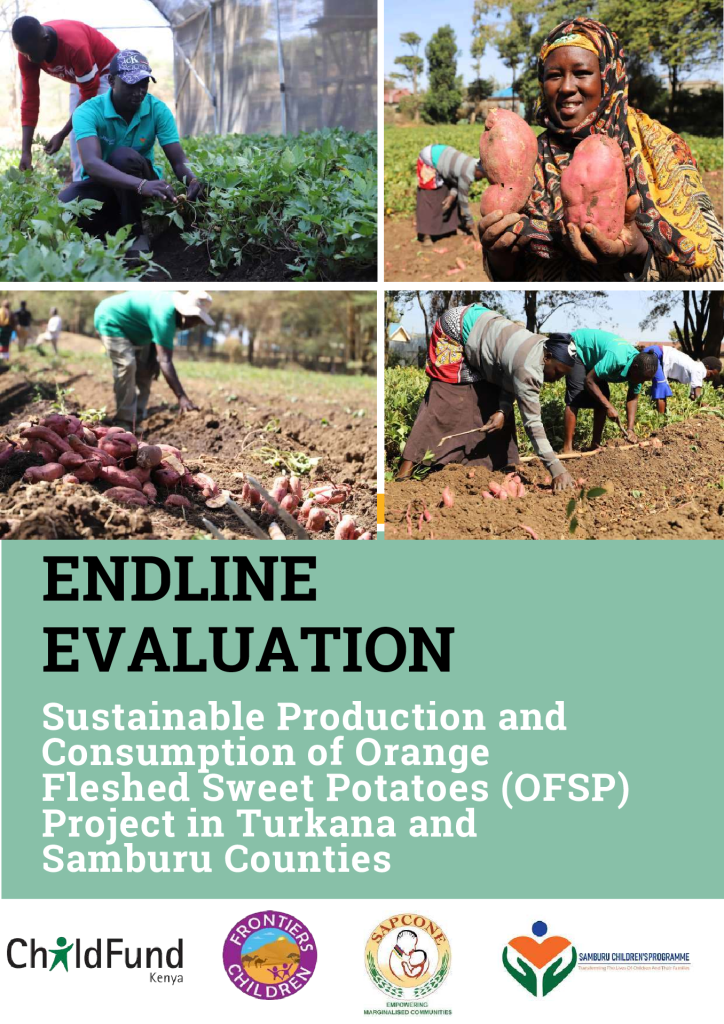
The Sustainable Production and Consumption of Orange-Fleshed Sweet Potatoes(OFSP) project was implemented with support from BMZ to improve food security andsupport private sector development.The project aimed to improve the economic and nutritional status of 12,000 children,3,000 women, and 2,200 youth through the adoption of OFSP technologies in Turkanaand Samburu counties.
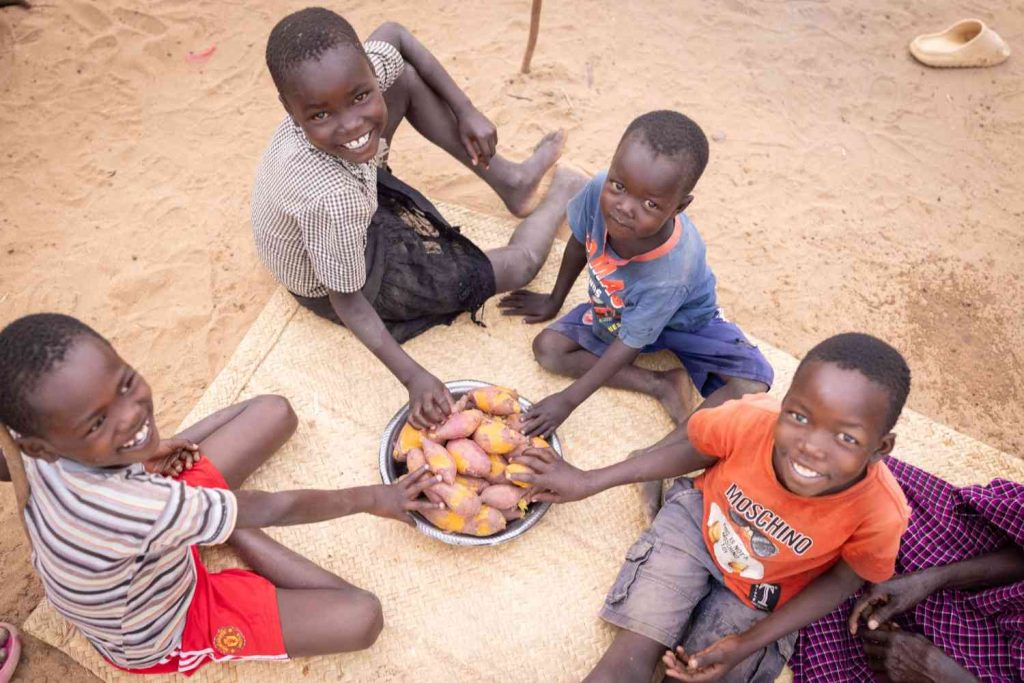
The project aims at improving the economic and nutrition status of 12,000 children, 2,200 youth, and 3,000 women through the adoption of OFSP innovative growing and processing technologies in Turkana and Samburu counties
 The Federal Ministry for Economic Cooperation and Development (BMZ)
The Federal Ministry for Economic Cooperation and Development (BMZ) is Germany’s government agency responsible for international development cooperation. It supports projects that reduce poverty, improve health, and promote sustainable economic growth in developing countries.
Learn more at https://www.bmz.de/en
ChildFund
Role: ChildFund is the lead organization for the Orange Fleshed Sweet Potato Project, driving its success. The organization collaborates with local partners to secure funding, provide technical expertise, monitor progress, engage communities, and manage all project operations.
Frontiers Children Development Organization (FCDO)

Role: FCDO serves as a key implementing partner for ChildFund in Turkana County. FCDO leads community-level initiatives to improve food security and livelihoods, focusing on the cultivation and promotion of orange-fleshed sweet potatoes.
Learn more at https://frontiers-children.org/
Samburu Children’s Programme (SCP)
Role: SCP is the key implementing partner for ChildFund in Samburu County. SCP mobilizes local communities and delivers targeted interventions in child welfare, food security, nutrition, climate resilience, and economic empowerment. SCP spearheads community outreach, engages farmers, and implements livelihood enhancement initiatives.
Learn more at https://scpkenya.org/
Sustainable Approaches for Community Empowerment (SAPCONE)
Role: SAPCONE works with communities in Northern Kenya through innovative and sustainable livelihood initiatives. Within the OFSP project, SAPCONE strengthens the resilience of pastoralist and vulnerable groups by advancing food security, fostering social empowerment, and promoting sustainable development.
Learn more at https://turkanapeople.org/
International Labor Organization (ILO)
Role: ILO supported the development of a mobile phone application that enables farmers to access markets and sell OFSP products, including flour, porridge blends, and crisps, to local markets, schools, refugee settlements, and buyers in Nairobi.
- Samburu
- Turkana
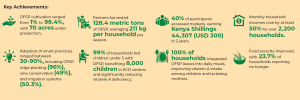
Learn more about this project’s impact in the news and publications section below.
Latest News
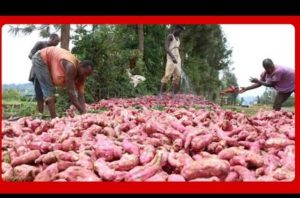
Sweet success: How sweet potato farming is transforming lives in Turkana
Sweet Success: How Sweet Potatoes Are Transforming Lives in Turkana
Read More
Orange-fleshed sweet potato farming thriving in Samburu
Orange-fleshed sweet potato farming thriving in Samburu
Read More
Turkana farmers planting sweet potatoes to help fight malnutrition
Turkana farmers planting sweet potatoes to help fight malnutrition
Read More
Smart farming in Turkana: Spotlight on orange-fleshed sweet potatoes
Smart Farming: In Turkana, where drought has challenged traditional livestock farming, a...
Read More
Sweet potato farming is improving nutrition and livelihoods in Turkana
The Orange-Fleshed Sweet Potato (OFSP) Project is transforming lives through improved nutrition...
Read MoreRelated Resources
Contact Us
For more information, please write to: IKipera@childfund.org
SHARE VIA: