

Aleesha Peermohamed
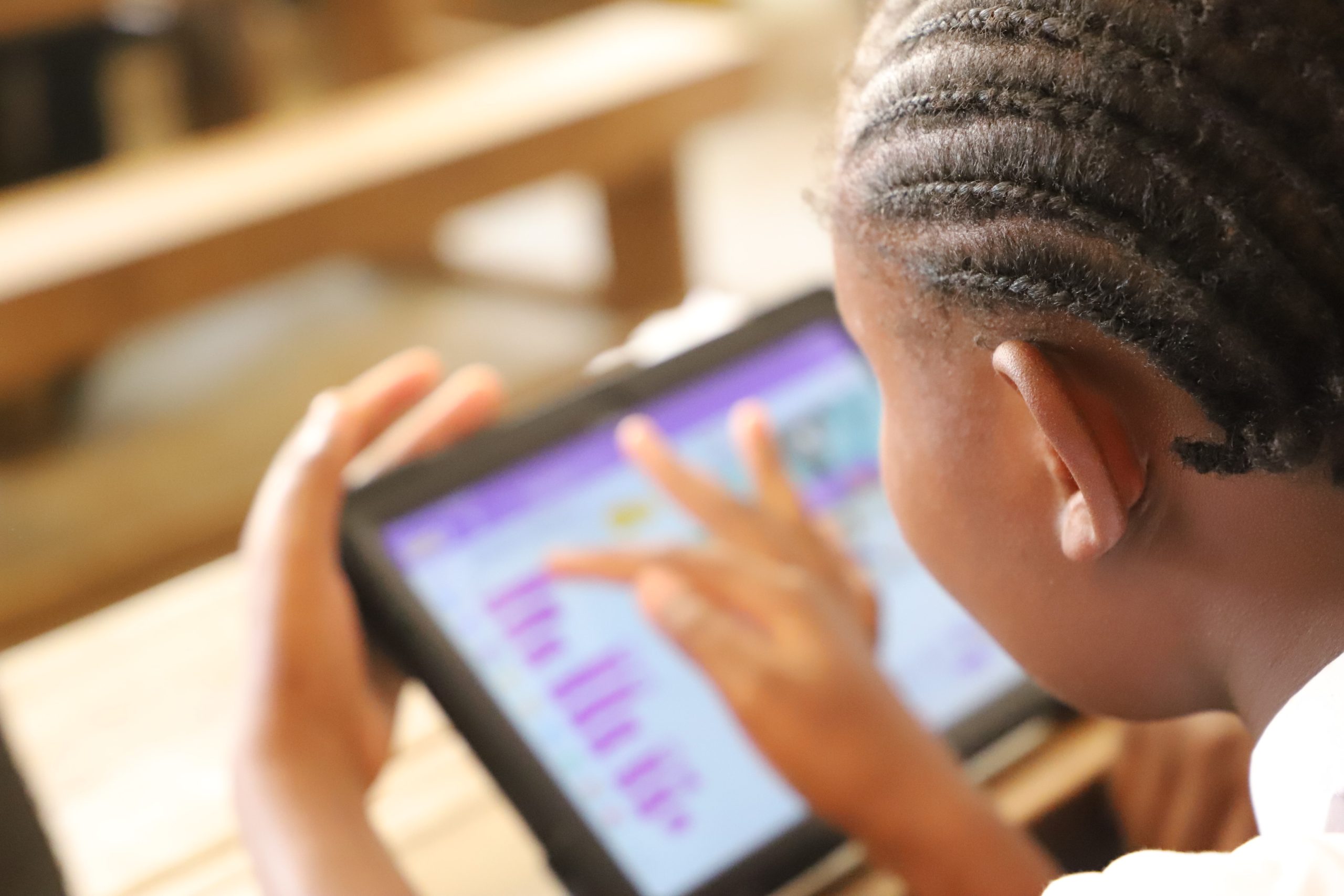
A child uses a tablet for her studies as part of digital learning in school. Through our Elimu KiDijtali project, ChildFund combines technology with online safety education to help children develop the knowledge and skills needed to navigate the digital world safely and responsibly.
What would Mandela say about children’s safety in the digital age?
The internet has become an indispensable part of childhood in Kenya, opening doors to learning, creativity, and connection. Yet behind these opportunities lies a growing threat that demands urgent attention. One in seven Kenyan children who use the internet had met someone offline after first connecting with them online, six per cent had shared intimate images or videos of themselves, and nearly two thirds had never been taught how to stay safe online; according to a report on Evidence on Online Child Sexual Exploitation and Abuse. These are not just statistics. They are a stark reminder that while children’s digital lives are expanding, efforts to keep them safe have not kept pace.
These findings should give us pause. They remind us that while technology has transformed childhood in remarkable ways, our responsibility to protect children has not changed. This is especially true as we mark Nelson Mandela International Day on July 18 and reflect on the values that defined his life. Mandela believed that the dignity and rights of every person must be protected, particularly those of society’s most vulnerable members. His words remain profoundly relevant today: “There can be no keener revelation of a society’s soul than the way it treats its children.”
Mandela’s words challenge us to ask a difficult but necessary question: If Mandela were with us today, what would he say about how we are protecting children in the digital age?
Mandela’s legacy was rooted in the belief that every person deserves dignity, freedom, and protection from harm. He reminded us that the true measure of a society lies in how it treats its children. While the challenges facing children have evolved since Mandela’s time, that principle remains unchanged. Today’s children deserve the same protection online that we expect for them at home, in school, and within their communities.
For many young people, the digital world is now woven into everyday life. Children use the internet to study, communicate with friends, access information, and explore their interests. Digital platforms have created opportunities that previous generations could only imagine. They have broadened access to knowledge and strengthened children’s participation in an increasingly connected world.
However, growing connectivity has also introduced new forms of vulnerability. Online grooming, cyberbullying, identity theft, harmful content, and online child sexual exploitation and abuse are becoming increasingly common concerns. Unlike many traditional forms of abuse, these threats can occur behind screens, making them difficult for parents, caregivers, and educators to detect.
This is why online safety can no longer be viewed solely as a technology issue. It is a child protection issue. As children spend more time online, the responsibility to safeguard their wellbeing must extend to digital environments. The same principles that guide child protection offline should apply online: prevention, awareness, accountability, and timely support for those at risk.
Mandela taught us that human rights must be defended wherever they are threatened. In the twenty-first century, that responsibility extends to the digital spaces where children learn, connect, and grow. As we commemorate Nelson Mandela International Day, let us recognise that protecting children online is not optional. It is an essential part of protecting their rights, their dignity, and their future. If we are to honour Mandela’s legacy, we must ensure that every child is safe not only offline, but online as well.
This op-ed was originally published by The Star and People Daily