
Youth turning plastic waste into livelihoods and clean energy
October 4, 2026
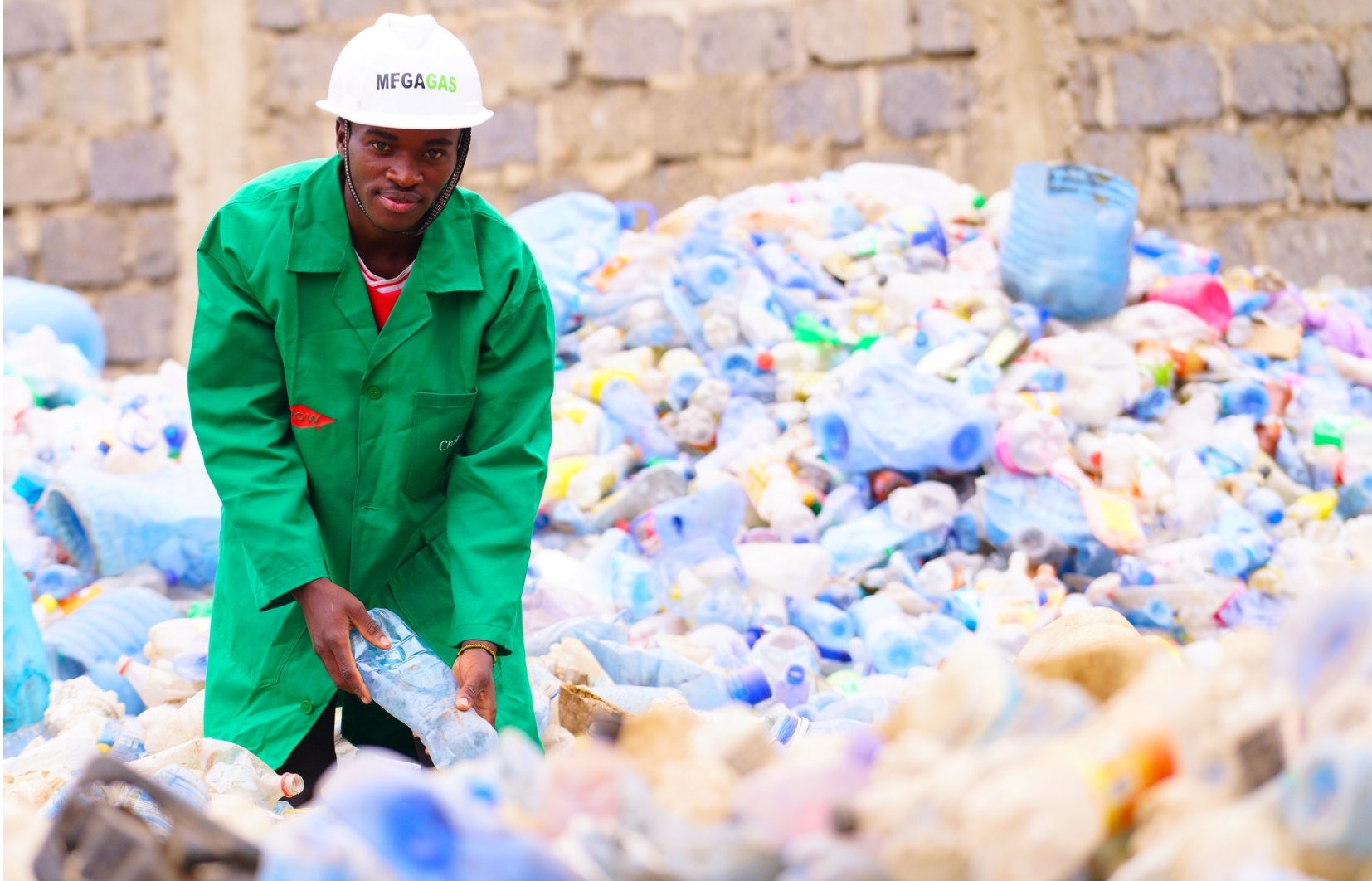
Isaac (21) sorts through piles of plastic waste at Mega Gas, a youth-led venture that converts plastic waste into affordable clean cooking gas
At Mega Gas -a youth-led venture that converts plastic waste into affordable clean cooking gas, Isaac Rodgers carefully sorts through piles of plastic waste delivered from dumpsites across Nairobi’s informal settlements. He separates the plastic suitable for processing before it is shredded and fed into a thermal-cracking reactor that breaks down plastic under controlled heat and converts it into clean cooking gas
Before joining Mega Gas, he relied on occasional construction work, earning about Ksh 300 on the days he found work. Because the jobs were irregular, his income was uncertain, making it difficult to consistently meet his family’s needs. He is now among 120 youth employed by Mega Gas across its waste processing operations. He earns about Ksh 700 a day, providing him with a more reliable income while developing practical skills in waste processing and clean-energy production.
“This job has helped me earn income and meet my daily needs, I am proud that the plastic we process is being turned into something useful instead of polluting the environment.” Says Isaac.
His experience reflects the livelihood opportunities emerging along a wider plastic waste recovery chain being strengthened through the Recycling Economy Creating Livelihoods, Autonomy and Inclusive Markets for Youth and Women (RECLAIM) Project, supported by ChildFund in partnership with Dow, and other youth groups in Nairobi’s informal settlement.
Mega Gas processes about two tonnes of plastic waste daily, producing approximately 200 kilograms of clean cooking gas. To strengthen the company’s processing capacity and enable more waste to be recycled, RECLAIM Project procured and installed a plastic shredding machine capable of shredding between three and five tonnes of plastic daily.
The project has also distributed three handcarts and 12 skip bags to support waste collection and transportation. In addition, 30 youth representatives have been trained on laws and policies governing waste management, while youth and women group leaders have received training in entrepreneurship and plastic waste value addition.
These investments are helping the youth groups improve their operations and strengthen their participation in the recycling value chain.
“By connecting youth and women waste collectors to skills, equipment and a reliable market, we are enabling them to participate more meaningfully in the circular economy and build sustainable livelihoods,” says Everline Onyango, RECLAIM Project lead at ChildFund Kenya.
Making clean cooking affordable in slums
Mega Gas supplies the cooking gas it produces to 10 community kitchens in Kayole slums, where food vendors and community members can cook for Ksh 20 per hour. The fee covers the use of gas stoves and utensils, so users only need to bring their food ingredients.
Besides making clean cooking more affordable, the kitchens enable food vendors who cannot afford their own gas and equipment to continue operating their businesses and earning an income. By creating demand for gas produced from plastic waste, the kitchens also support the recycling value chain that RECLAIM is strengthening, expanding the market for collected plastic and creating livelihood opportunities from collection to processing and use.
“Our goal is to recover more plastic, create more jobs for young people and expand affordable clean-cooking solutions to more underserved communities,” says Peter Mwangi, Chief Executive Officer of Mega Gas.




Related Resources
Sweet potato farming is improving nutrition and livelihoods in Turkana
The Orange-Fleshed Sweet Potato (OFSP) Project is transforming lives through improved nutrition and livelihoods in...
Smart farming in Turkana: Spotlight on orange-fleshed sweet potatoes
Smart Farming: In Turkana, where drought has challenged traditional livestock farming, a shift to crop...
Sweet success: How sweet potato farming is transforming lives in Turkana
Sweet Success: How Sweet Potatoes Are Transforming Lives in Turkana