

Stephen Omware
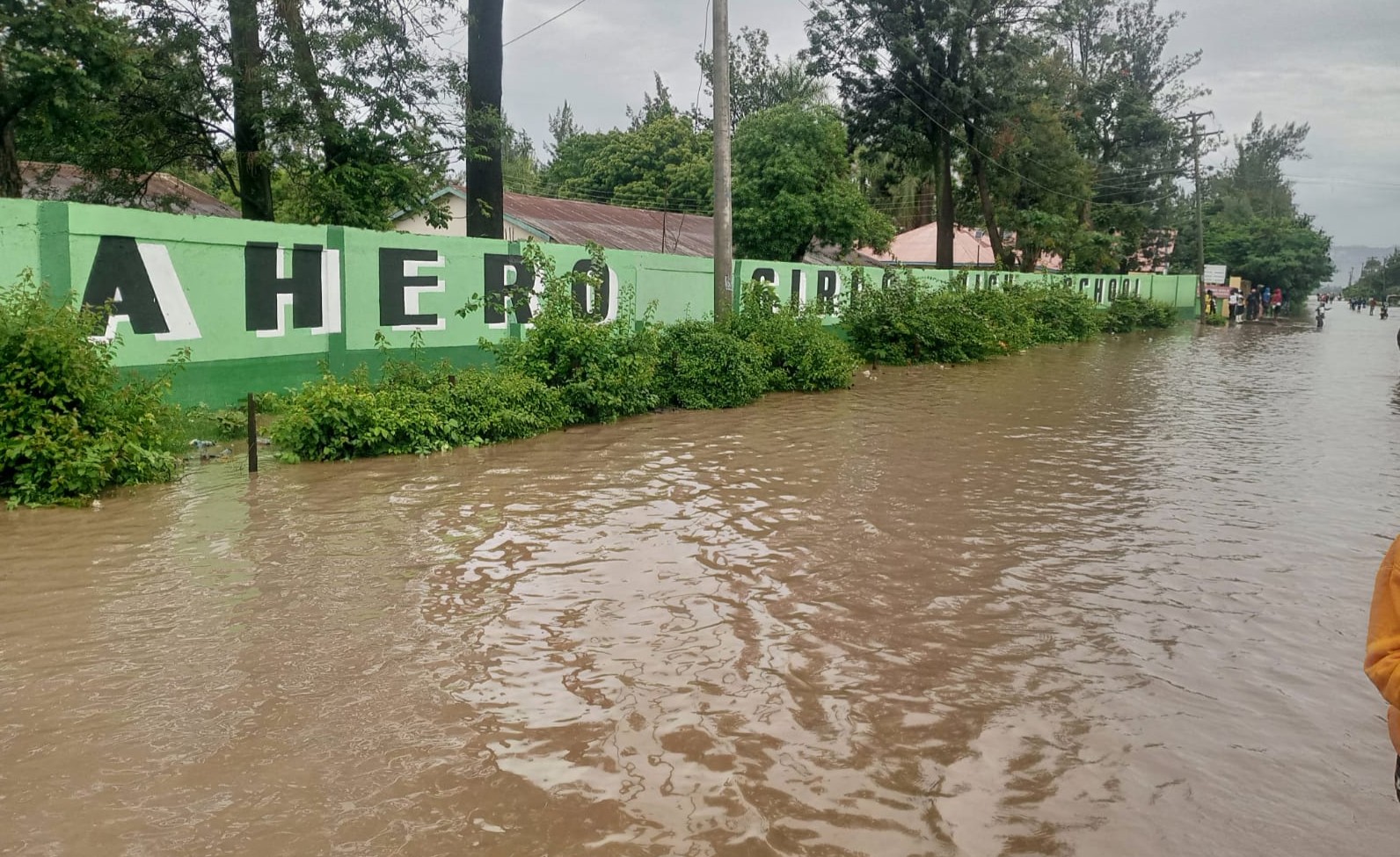
Floodwaters surround a school in Ahero, Kisumu County, following heavy rains experienced in April 2026.
The hidden cost of El Niño for children
As Kenya prepares for a potential El Niño season, much of the conversation has focused on flood forecasts, emergency response plans, and infrastructure preparedness. The concern is understandable. Earlier this year, widespread flooding during the March-May long rains affected 27 counties, claimed 122 lives, and disrupted the lives of thousands of families across the country, with schools, roads, health facilities, and water systems among the sectors affected.
But as we prepare for what may lie ahead, we must ask a different question: are we doing enough to protect children before the floodwaters arrive?
I remember in 2021, the rising Lake Baringo waters submerged schools and displaced communities, disrupting children’s education and exposing them to psychological distress, protection risks, and poor living conditions. Vulnerable families faced additional pressure as the loss of homes and livelihoods made it increasingly difficult to keep children in school while struggling to cope.
What struck me most was that the true cost of flooding was not the damaged buildings. It was the interruption of children’s education, hence the urgent need to give more attention to Education before and during disasters. Children are particularly vulnerable and exposed to unsafe routes to and from school, displacement, waterborne diseases, accidents, and the risk of abuse. Anticipatory planning should therefore place greater emphasis on child protection and safety measures before, during, and after the anticipated El Niño.
In my role at ChildFund, one thing we believe in is that schools are more than places of learning. They are spaces of safety, stability, and hope. When disasters disrupt education, children lose much more than classroom time. They lose routines, support systems, and opportunities that are critical to their development milestones, and the risk of never going back to school at all.
That is why schools must be at the centre of Kenya’s El Niño preparedness efforts.
Too often, we see schools as evacuation centres during crises, with attention paid only after they have been damaged for rehabilitation. By then, the costs are higher, and the disruption to children’s learning has already occurred. Yet there are practical measures that can be taken before the rain arrives.
County governments, education stakeholders, child-focused organizations, and communities should prioritize anticipatory and preventive action, amplifying plans and practical actions to ensure focus on child protection and education during the anticipated El Niño. This includes improving drainage systems, protecting water and sanitation facilities, reinforcing vulnerable structures, and ensuring school compounds can safely manage heavy rainfall. These may not be the most visible investments, but they are often the difference between a school remaining operational and one being forced to close.
Comprehensive School Safety Framework (CSSF) by the Global Alliance for Disaster Risk Reduction and Resilience in the Education Sector (GADRRRES) underscores the importance of School Safety and Preparedness being child-centered. Children, Teachers, Parents, School Management, and BOM should know what steps to take when weather forecasts are issued. Safe routes to and from school should be mapped, particularly in areas where rivers and seasonal streams pose risks during heavy rains.
Equally important is planning for continuity of learning. Every child deserves the opportunity to continue learning even when normal school operations are disrupted. Having contingency plans in place, whether through temporary learning spaces or alternative arrangements agreed upon in advance, can significantly reduce learning losses during emergencies.
Involvement and participation of children in preparedness efforts cannot be overlooked since Children are not just beneficiaries of resilience-building efforts, but the main stakeholders and active participants in them.
The reality is that climate-related floods have continued to increase in scale, frequency, and impact, an increasingly familiar challenge for Kenya. We may not be able to prevent every flood, but we can reduce their impact on children. Doing so requires us to shift our focus from responding to disasters to preparing for them.
As the country braces for a possible El Niño season, success should not be measured only by the roads protected or the drainage channels cleared. It should also be measured by whether children stay safe, whether schools remain operational, and whether learning continues despite the challenges that extreme weather may bring.
As the country braces for a possible El Niño season, success should not be measured only by the roads protected or the drainage channels cleared. It should also be measured by whether children stay safe, whether schools remain operational, and whether learning continues despite the challenges that extreme weather may bring.