

Issa Kapera
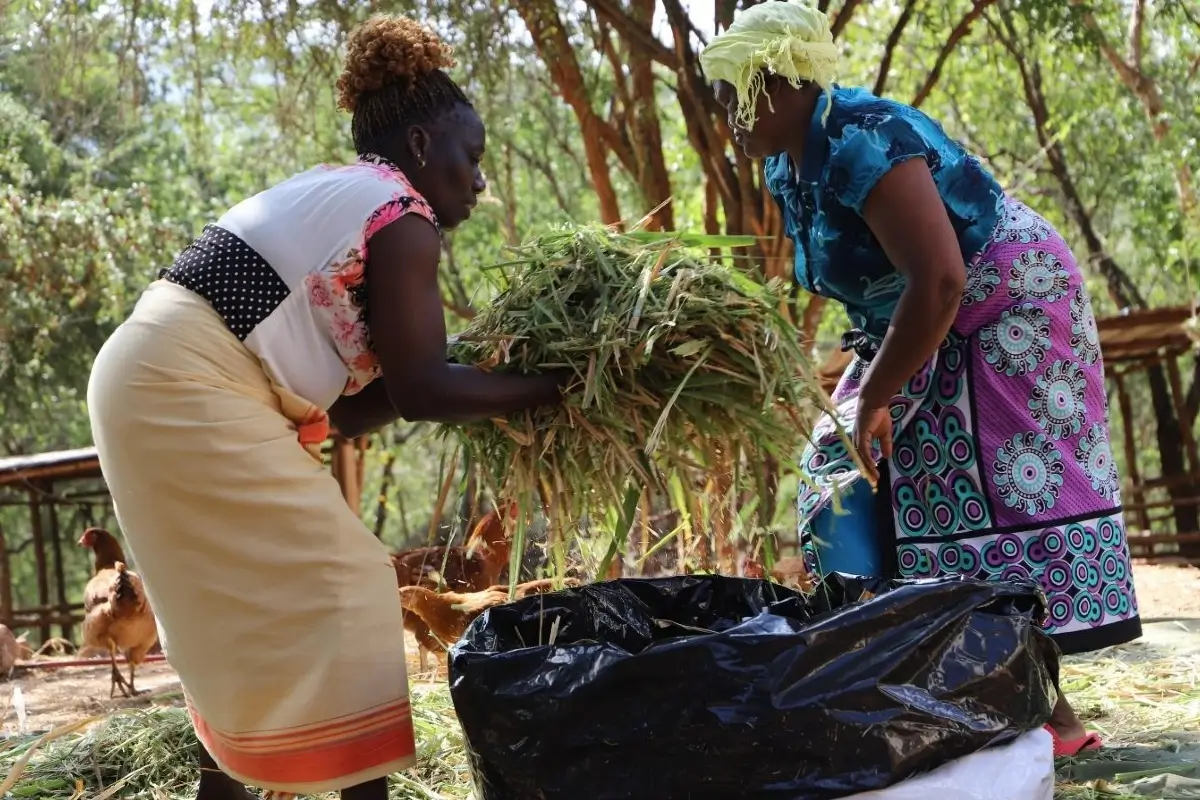
Farmers from Makueni County pack and preserve fodder in Mama Silage bags as part of the Lishe Bora na Mama Silage initiative, promoting better livestock nutrition and sustainable farming practices.
Driving sustainable innovation in agriculture: A call for climate-smart solutions
What you need to know:
Kenya’s agricultural sector serves as the backbone of its economy, supporting more than 70 per cent of the rural population and contributing approximately 26 per cent of the nation’s GDP.
Kenya’s agricultural sector serves as the backbone of its economy, supporting more than 70 per cent of the rural population and contributing approximately 26 per cent of the nation’s GDP, according to the Food and Agriculture Organization of the United Nations.
Yet, the sector faces an existential threat due to climate change, which has disrupted traditional farming practices and put the livelihoods of millions of small-scale farmers and pastoralists at risk.
In 2023, Kenya experienced one of its worst droughts in 40 years, affecting millions of people and livestock.
If the country is to secure its agricultural future and achieve food security, climate-smart solutions must be adopted to help farmers adapt to these adverse conditions.
To secure Kenya’s agricultural future and build resilience among smallholder farmers and pastoralists, a shift toward climate-smart agriculture is critical. Among the various innovations being explored, improved fodder preservation methods have emerged as a game-changer, particularly in dairy farming.
Traditional methods of fodder storage such as open-air drying or trench silos are often inefficient, leading to significant nutrient loss and wastage. One such novel initiative addressing these challenges is the Lishe Bora na Mama Silage Project, a collaboration between ChildFund Kenya, Dow and Packaging Industries Limited (PIL).
The introduction of an innovative silage bagging solution is designed to preserve silage by stopping oxygen transpiration, the main cause of silage spoilage, giving a perfect anaerobic condition for fermentation and further reducing deterioration of the nutritional quality of the fodder. Its durable structure allows for maximum compaction while resisting tears in the process. Lastly, the excellent aroma barrier helps maintain the smell of preserved fodder, making it more palatable. The result is well-preserved, nutrient-rich fodder that supports livestock health and milk production year-round.
Beyond providing a practical solution for fodder preservation, education and training have also been incorporated and embraced. To date, over 600 farmers and pastoralists—many of them women and youth—have been trained in silage-making techniques through demonstration plots and community outreach programmes.
These skills empower them to adopt modern, resilient farming practices that enhance productivity and reduce vulnerability to climate-induced shocks. It also contributes to better livestock health and increased milk yields, which in turn enhance household nutrition, particularly for children who are most vulnerable to malnutrition. Economic stability is consequently achieved by saving on feed costs and generation of consistent income from higher milk production. This innovation is therefore more than just a product; it is a lifeline for farmers and pastoralists.
The embodiment of a holistic approach to sustainability, addressing economic, social and environmental challenges, is embraced in the realisation of the project objectives.
It directly supports the Bottom-Up Economic Transformation Agenda, particularly the pillars of food security and empowerement of youths and women.
Furthermore, the initiative aligns with key United Nations Sustainable Development Goals (SDGs), including: Goal 2: Zero Hunger, by ensuring food security and improved nutrition for rural communities, Goal 3: Good Health and Well-being, by promoting better dairy practices and child nutrition and Goal 12: Responsible Consumption and Production, by reducing fodder waste through innovative storage solutions. While the progress achieved so far is commendable, scaling up remains a critical next step.
To reach more farmers, particularly those with limited financial capacity, financial support mechanisms such as the revolving fund are already in effect, but there is an urgent need to explore alternatives such as pursuing strategic partnerships with the private sector, non-governmental organisations and the government to create sustainable solutions.
As Kenya confronts the twin challenges of climate change and food insecurity, fostering agricultural resilience through innovation is imperative. Climate-smart solutions such as improved silage preservation techniques offer a viable path toward sustainable dairy farming. However, their success hinges on addressing affordability barriers, expanding farmer training programmes and ensuring environmental sustainability.
Ultimately, securing Kenya’s agricultural future requires a collective effort. The government, private sector, development organisations and farmers must work together to drive meaningful change. By embracing these innovations and scaling up adoption, Kenya can chart a path toward a food-secure, climate-resilient future.
This op-ed was originally published by Nation Media